


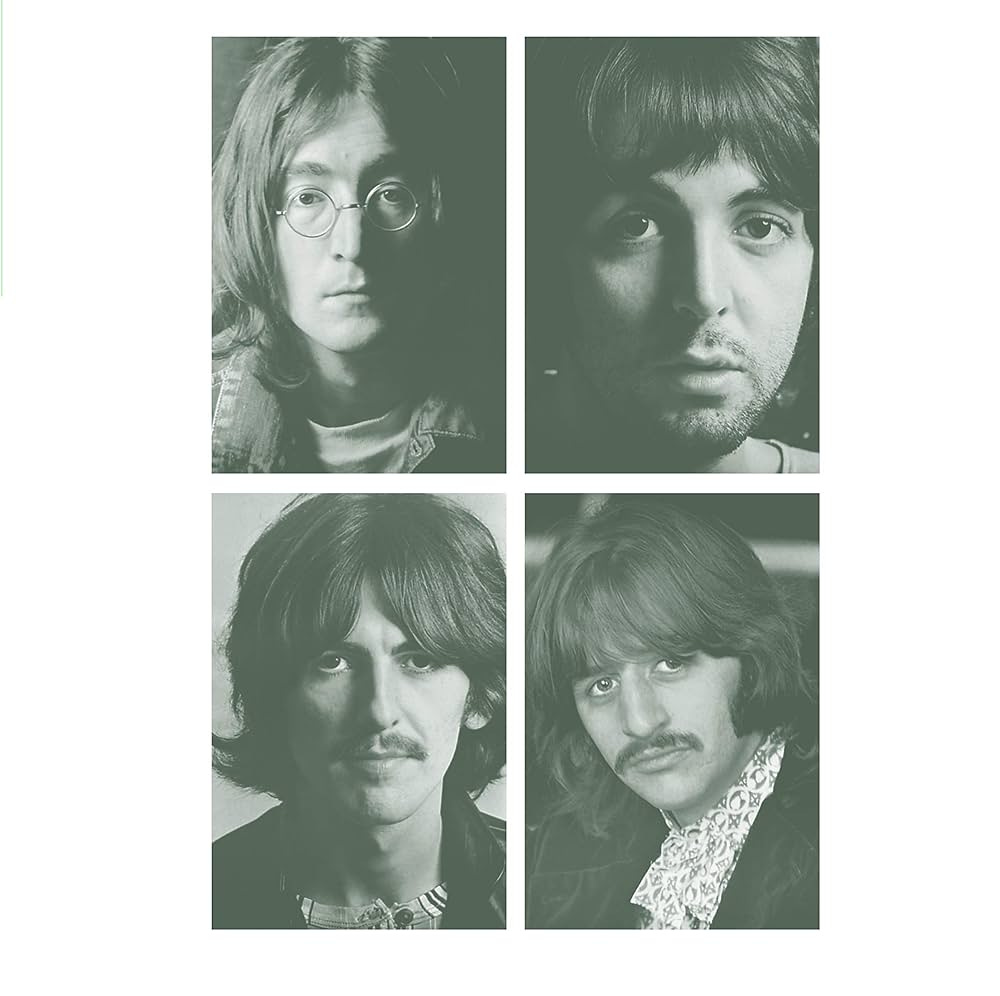
The year 1967 was a monumental one for the Beatles. They were coming off the revelation of their previous year’s album, Revolver, which announced to earthlings that 1965’s Rubber Soul was no joke. If marijuana had informed the songs on the ‘65 disc, then other substances like LSD came to the fore the following year.
Thus, it heralded 1967 as the Year of Psychedelia, led by the Beatles themselves.
In February, the doubled-sided single of “Strawberry Fields Forever” and “Penny Lane” was released to the bewildered masses. This was a long way from “She loves you, yeah, yeah, yeah” from just three short years earlier. Three months later came Sgt. Pepper’s Lonely Hearts Club Band, serving as the unofficial start of the famous Summer of Love.
(Quick aside on Pepper: It is a landmark and important record because no pop or rock album had been presented in such a package - the songs, the art design, the intentional positioning of it as a concept album [even though it really wasn’t one]. But it has undeniable weak spots and doesn’t land in my top three Beatles albums of all time.)
But as grand as 1967 had started, it ended on a sour note for the band. Their manager Brian Epstein died of an accidental overdose in August, no longer present to guide the group’s ill-fated Apple Corps venture. And their ill-conceived film Magical Mystery Tour - even though it birthed an underrated U.S. album that combined the movie soundtrack with classic singles like “All You Need Is Love” not then available on albums - was released at the end of 1967 to universally poor reviews.
For once, the Beatles had shown themselves fallible.
Back to Basics
Cue 1968. Everybody expected the Beatles to keep riding the psychedelic train. But the boys were always keen on defying expectations, so they promptly released “Lady Madonna” in March, which was pure rock and roll in the style of Fats Domino. The Beatles were getting back to basics and mostly leaving psychedelia behind.
This coincided that spring with their famous trip to India to study Transcendental Meditation with Maharishi Mahesh Yogi, during which John Lennon, Paul McCartney and George Harrison all prolifically wrote songs. After returning from India, they quickly realized they had too many songs to fit the single albums they had always released.
A self-titled double album was now on the horizon. But with one important detour.
The Right Decision?
In May, the Beatles started the process of recording the double album. But here’s the catch - the group was continuing its practice of releasing non-album singles between albums. It dates back to the old-fashioned notion that you always had to have new product in record stores and on radio to keep your audience interested.
But really, by 1968, the Beatles had morphed into more of an album-oriented group. They didn’t need standalone singles anymore. (It wasn’t until near the end of their existence, the following year, that they finally began releasing singles from their albums, starting with “Something” and “Come Together” from Abbey Road.)
So, according to form, they were itching to have the next single out by the end of Summer 1968. In July, Paul had composed what would become the biggest-selling Beatles single of all time - “Hey Jude” - which would be backed by John’s superior fast version of “Revolution” (the slower “Revolution 1” would appear on the double album).
So, with the release of that single in August, these two classic tracks were no longer contenders to appear on the album in November.
In retrospect, the White Album suffers from not having these two classics represented. Including them would have remedied the two biggest problems the double album has - its flow and its overall cohesion.
Here’s the track listing for the White Album:
Record One
Side One
Back in the U.S.S.R.
Dear Prudence
Glass Onion
Ob-La-Di, Ob-La-Da
Wild Honey Pie
The Continuing Story of Bungalow Bill
While My Guitar Gently Weeps
Happiness Is a Warm Gun
Side Two
Martha My Dear
I’m So Tired
Blackbird
Piggies
Rocky Raccoon
Don’t Pass Me By
Why Don’t We Do It in the Road?
I Will
Julia
Record Two
Side Three
Birthday
Yer Blues
Mother Nature’s Son
Everybody’s Got Something to Hide Except Me and My Monkey
Sexy Sadie
Helter Skelter
Long, Long, Long
Side Four
Revolution 1
Honey Pie
Savoy Truffle
Cry Baby Cry
Revolution 9
Good Night
Yes, lots of good songs scattered about, but also some obvious filler like “Wild Honey Pie,” “Why Don’t We Do It In The Road?” and, yes, even the controversial Lennon/Ono avant-garde piece “Revolution 9.” Also, there’s a jarring effect of the running order that negatively affects the overall flow.
How to fix it? I have an idea.
The Alternate White Album
Here were my rules for creating this alternate White Album:
Include the “Hey Jude” and “Revolution” singles.
Respect the unwritten rule of “spreading the wealth” - in other words, don’t make one side of the album all Lennon-sung songs, etc.
And in keeping with the vinyl fidelity rules of the time, no single side should exceed 25 minutes in total running time.
So let’s start with Record One, Side One (21:40) with lead singers noted:
Back In The U.S.S.R. (McCartney)
Dear Prudence (Lennon)
No need to mess with perfection here. A great one-two punch to start the record with Paul’s pastiche of Chuck Berry and the Beach Boys cross-faded with John’s shimmering tribute to Prudence Farrow from their time in India together.
While My Guitar Gently Weeps (Harrison)
Gotta move this up to the third spot. Harrison brings Eric Clapton along for memorable lead guitar never before heard on a Beatles record. It’s the best song on the entire album and signals that George is no longer messing around!
I’m So Tired (Lennon)
This sequel of sorts to Lennon’s “I’m Only Sleeping” is moved up. Short and sweet, leading into…
Ob-La-Di, Ob-La-Da (McCartney)
Not everyone digs this tune, but I like it. By all accounts, it was a nightmare to record, but you can’t deny the infectious bounce it has throughout.
Glass Onion (Lennon)
Happiness Is A Warm Gun (Lennon)
Lennon keeps two of his tracks on Record One, Side One. “Glass Onion” is a catchy callback to recent Beatles songs while “Happiness Is A Warm Gun” is a minor classic that changes mood three times in less than three minutes.
Record One, Side Two (18:06)
Blackbird (McCartney)
What better way to start Side Two than one of the greatest songs Paul ever wrote. It’s gotta be Top 5 or Top 10 in songs he’s ever written. And with its ethereal civil rights theme, it still hits hard with its evocative simplicity.
Birthday (McCartney and Lennon)
This was tossed off in the studio, but it’s too much fun for it to be any further down in the album. And listen to Ringo’s drums - his performance on this album is truly outstanding.
Piggies (Harrison)
Only George could write a satirical song like this that feels like an extension of Orwell’s Animal Farm. Pigs eating bacon? So sly and masterful.
Don’t Pass Me By (Starr)
This is Ringo Starr’s first totally self-penned song on a Beatles album - and it’s good! It’s got that country flavor he would revisit later on solo records.
Hey Jude (McCartney)
And I end Record One, Side Two with seven-plus minutes of pure McCartney bliss. Written to comfort John’s son during his parents’ split (changing the name from Jules to Jude), this is certainly Peak Paul. Nothing more to add.
Record Two, Side Three (23:09)
Yer Blues (Lennon)
Helter Skelter (McCartney)
It makes sense to place these two face-melters to launch Record Two like a turbo-charged rocket. Lennon’s piece is pure, frantic blues jam played by four lads in a tight room, while McCartney’s can be aptly described as wild proto-metal before Zeppelin and Sabbath even existed. When Ringo screams, “I’ve got blisters on my fingers!” at the end, you know he’s not joking.
Julia (Lennon)
Long, Long, Long (Harrison)
I Will (McCartney)
Then we move into a trio of soothing yet substantive tunes. “Julia” is Lennon’s aching yet moving ode to his deceased mother. “Long, Long, Long” is Harrison exploring offbeat textures that bear repeated listens. And “I Will” is McCartney writing a love song that would have felt at home on Rubber Soul.
The Continuing Story of Bungalow Bill (Lennon)
Rocky Raccoon (McCartney)
The Beatles missed an opportunity on the original album to pair these demented children’s songs together. Lennon takes a swipe at a fellow retreater from India who hunted tigers for sport while seeking spiritual enlightenment. McCartney spins a cowboy yarn about the fictional Rocky Raccoon, who would inspire another fictional character - Marvel’s Rocket Raccoon.
Record Two, Side Four (19:51)
Martha My Dear (McCartney)
Sexy Sadie (Lennon)
The female names in these titles aren’t what they seem. Martha is McCartney’s sheepdog, so it’s actually a very sweet tribute. And Sadie is actually a stand-in name for the Maharishi from India, who Lennon came to despise when there were unfounded rumors of inappropriate behavior by the Maharishi. So yeah, this one is not so sweet.
Savoy Truffle (Harrison)
Harrison breaks his record for most songs of his on a Beatles album (four). This one, reportedly about his friend Eric Clapton’s affection for sweets while on heroin, is a good primer for George’s wall of sound on his monumental All Things Must Pass album in 1970.
Mother Nature’s Son (McCartney)
Everybody’s Got Something To Hide Except Me and My Monkey (Lennon)
Honey Pie (McCartney)
Three songs that couldn’t be more different. “Mother Nature’s Son” is Paul at his acoustic best, foreshadowing the homemade sound of his own solo record in 1970. Lennon’s tune is ferocious as it seemingly addresses his romance with Yoko and their heroin addiction. “Honey Pie” is McCartney showing he could write a song that was a hit in the Roaring Twenties.
Revolution (Lennon)
And really, what better way to end this Alternate White Album than with the single version of “Revolution,” which is Peak John. The distorted guitars. The all-out jam by the band. This song proved once again that the Beatles could rock with the best of them.
And so, which songs missed the cut on my Alternate White Album?’
Wild Honey Pie - 52 seconds of McCartney nonsense.
Revolution 9 - 8 minutes and 22 seconds of Lennon and Ono nonsense.
Why Don’t We Do It In The Road? - There’s a kernel of a song here, but Paul just doesn’t follow up.
Revolution 1 - The single version is vastly superior, so there’s no need for this one.
Good Night - I felt bad leaving this off, written by Lennon and sung earnestly by Ringo. But it tries too hard to be something it’s not - a Sinatra-like standard.
Cry Baby Cry - This was probably the last cut I made, but if you twisted my arm I could throw it between “Don’t Pass Me By” and “Hey Jude” and be okay with it.
Final Thoughts
So, what does Paul McCartney think of people (like me) who believe the White Album could have been better?
Well said, Sir Paul.
And lastly, you can check out my White Album review among other enthusiasts on loudersound.com, which was posted earlier today.
Take care, and remember … all you need is love.